Why Casual Games Are Taking Over the Gaming Industry: Trends and Insights
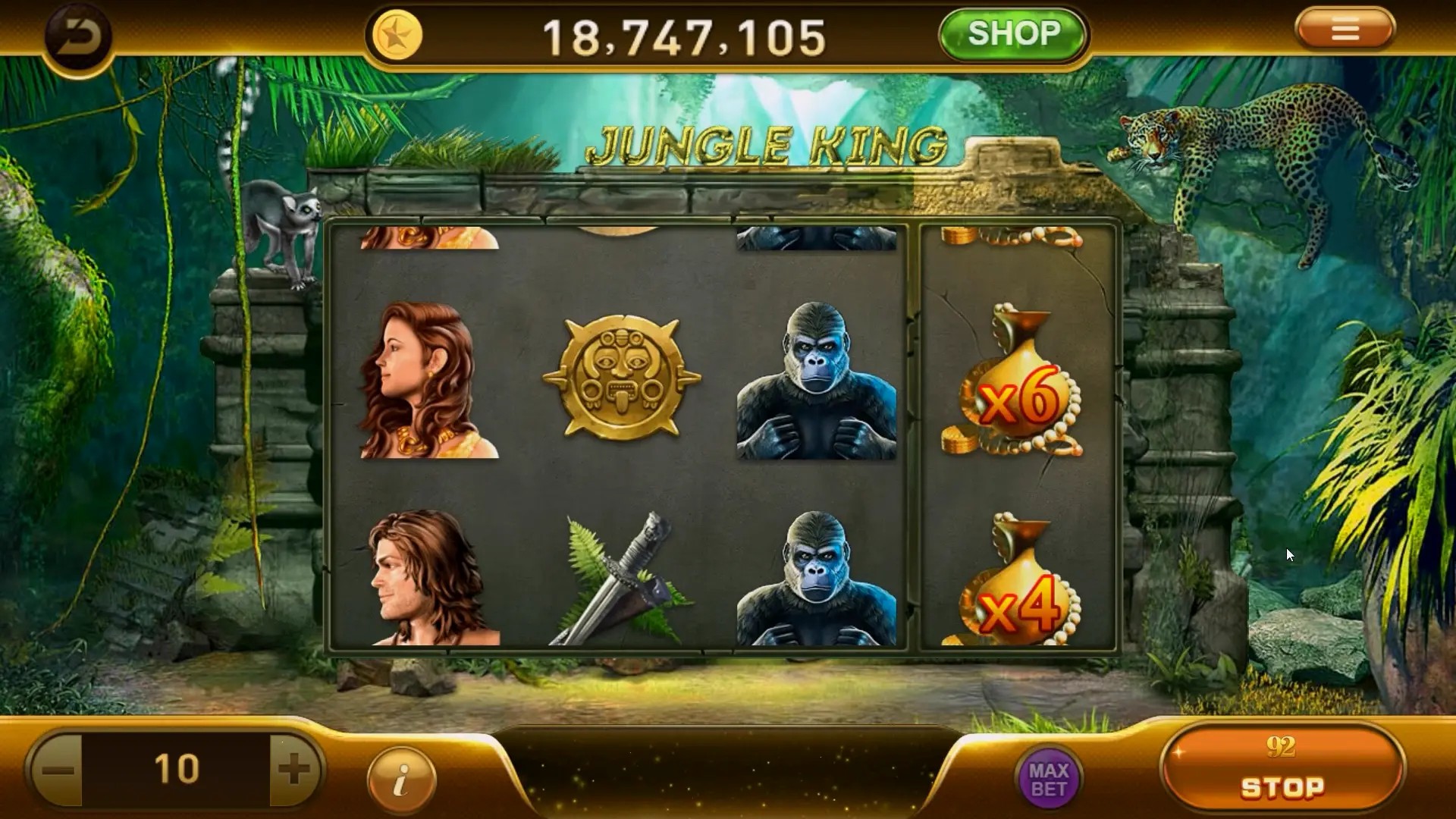
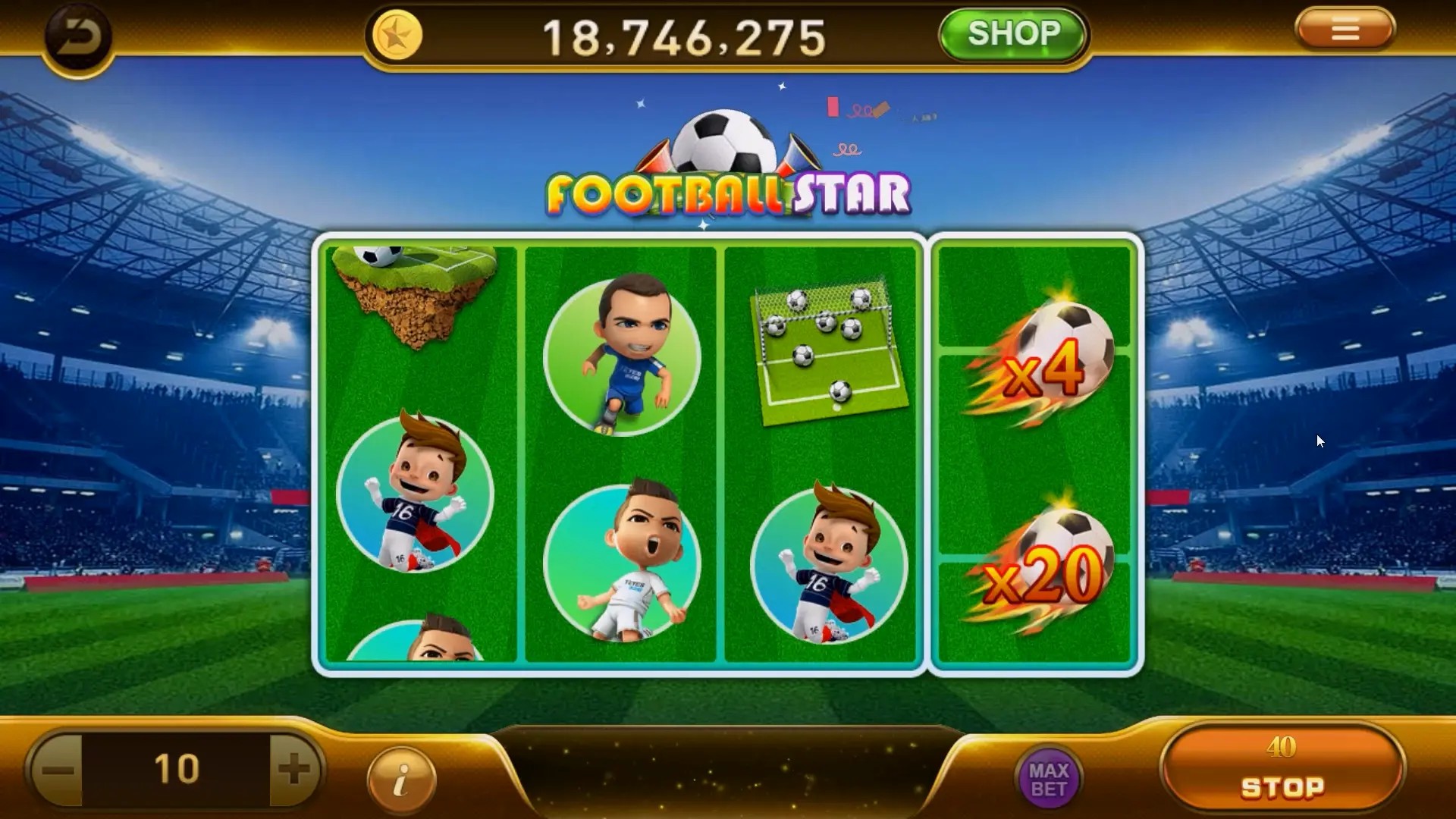
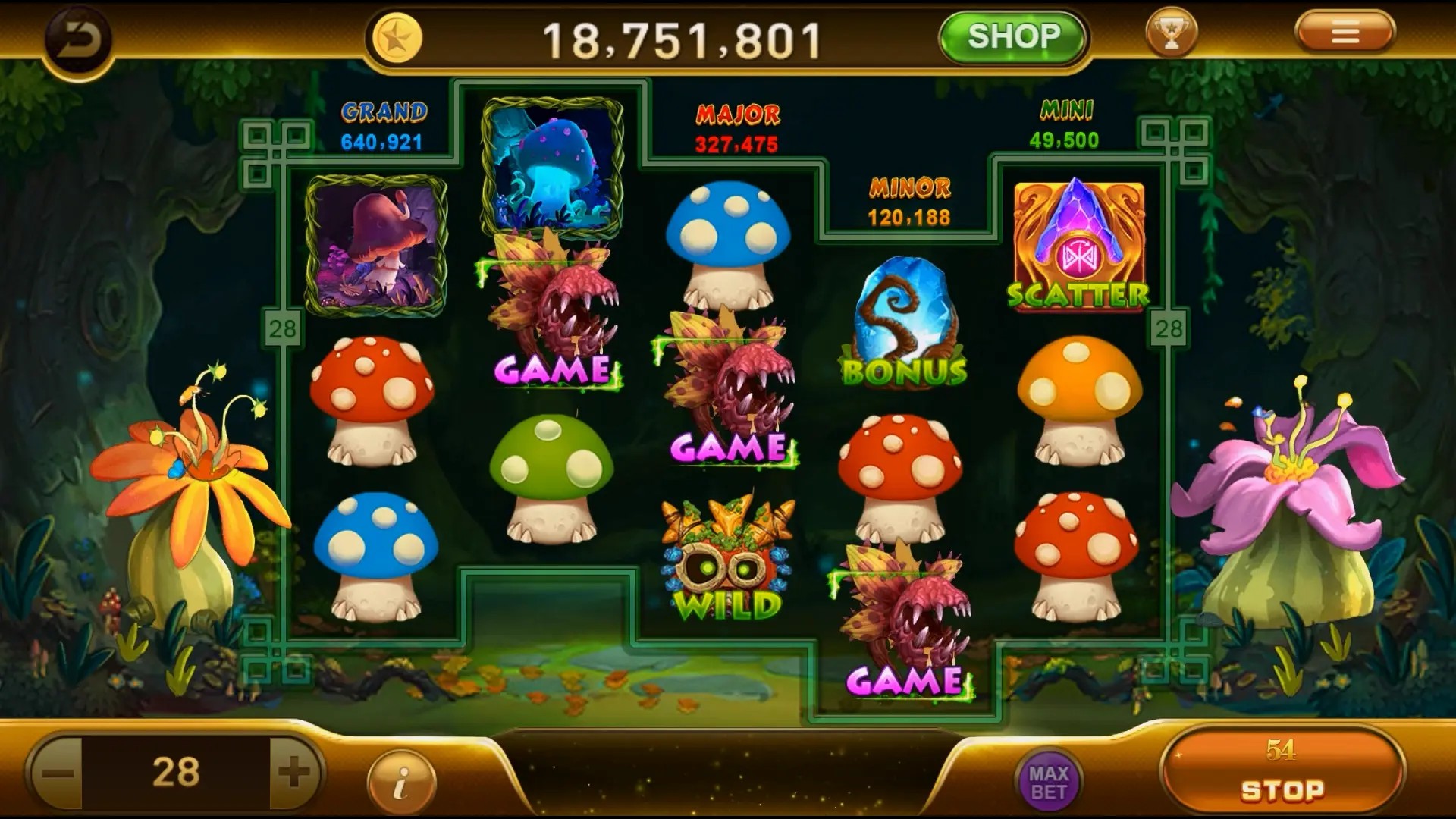
If you’ve looked around the gaming landscape lately, it’s almost impossible to miss the rise of casual games. These titles, often characterized by their ease of access and user-friendly mechanics, are dominating the industry. But what exactly is fueling this growth? To understand this phenomenon, we need to delve into various trends and insights that explain why more players are gravitating towards casual gaming.
Understanding Casual Games
Casual games are typically designed to be easy to learn and understand. They do not require a significant time investment, making them attractive to a broader audience. Unlike traditional games that might demand hours of dedication, casual titles allow players to engage in shorter sessions, making gaming accessible for everyone.
- Easy to learn
- Short play sessions
- Appeals to non-gamers
The Shift in Demographics
Gone are the days when gaming was seen as a pastime for the younger generation. Today, players of all ages participate. The average casual gamer is no longer a teenager but often adults looking for a brief escape from daily stresses. According to recent studies, the demographics of casual games players show a significant increase in older players, many of whom prefer engaging in fun, light-hearted gameplay over complex storylines.
Smartphones and Cross-Platform Gaming
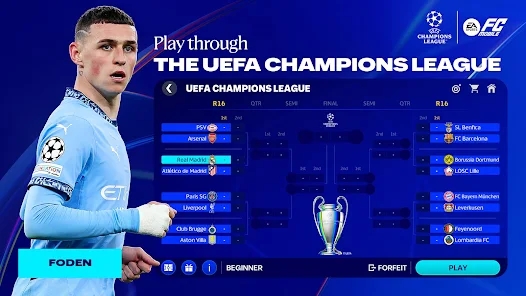
The advent of smartphones revolutionized how and where people play games. EA Sports FC 24 equipos is just one example of how popular franchises are adapting to mobile platforms, broadening their reach. The ability to play on-the-go means that casual games can be accessed anywhere, anytime, creating a gaming culture that fits conveniently into modern lifestyles.
Social Integration: The Power of Community
Casual games often emphasize social interactions. Many of these titles allow players to connect with friends, share achievements, or even challenge each other. This social aspect can create a sense of community that is particularly appealing to casual gamers. Being part of a game can enhance the experience, contributing to longer engagement.
Innovative Monetization Strategies
As the gaming industry evolves, casual games have adopted innovative monetization methods. Free-to-play models, in-game purchases, and subscription services are increasingly common. This approach lowers the barrier for entry, attracting a larger audience that may be hesitant to spend money upfront.
| Monetization Model | Pros | Cons |
|---|---|---|
| Free-to-play | Wide audience reach | Potential for paywalls |
| In-game purchases | Additional revenue streams | May alienate players |
| Subscriptions | Stable revenue | Requires ongoing value |
The Appeal of Nostalgia
Nostalgia plays a crucial role in the attractiveness of casual games. Many titles incorporate elements from classic games that older players may remember fondly. The “feel-good" factor associated with these games can draw in a loyal player base who seeks to relive their childhood memories.
The Educational Aspect
Interestingly, some casual games are structured to help with learning. Titles that incorporate strategy, problem-solving, or even history (like Game of Thrones RPG tabletop) can be not just entertaining but also educational. This dual-purpose can be particularly attractive to parents seeking suitable content for their children.
Focus on Graphics and User Experience
Casual games have come a long way in terms of design and user experience. Developers have recognized that attractive graphics and a smooth interface significantly enhance user engagement. Players now expect high-quality visuals and intuitively designed gameplay that keeps them coming back.
Bridging to Esports
While you might think of competitive gaming as the territory of hardcore gamers, casual games are starting to make their marks in the esports arena. Some casual titles have begun to host tournaments that attract players of all skill levels—proving that competitive spirit can exist across various game types.
Conclusion: The Future of Casual Gaming
This exploration into the world of casual games reveals that they are not just fleeting trends but are positioning themselves firmly in the gaming industry. As technology continues to evolve, the opportunities for innovation within casual gaming will expand even further. The focus on accessibility, social interaction, and varied monetization strategies indicates that casual gaming isn’t just here to stay; it's set to dominate in the years to come.
In conclusion, casual games are changing the way we think about gaming. Their rise reveals a shift not just in who plays games, but how they play. With their appealing designs and social elements, casual games are capturing hearts—and they’re likely to keep doing so.